
Basin Gulch, Montana
Mineral exploration companies in the USA: inside Montana's Basin Gulch project
Last updated:
Lannister Mining is a mineral exploration company in the USA exploring the Basin Gulch gold-silver property in west-central Montana's historic Philipsburg Mining District.
Among mineral exploration companies in the USA, Lannister Mining is built around one focused asset: Basin Gulch, with near-surface, oxide-hosted gold-silver mineralization, more than 320 historical drill holes and a consolidated package of 11 patented and 53 unpatented claims covering 1,107 hectares. The company plans confirmation and expansion drilling toward a maiden mineral resource estimate.
What do mineral exploration companies in the USA actually do?
They find, test and define mineral deposits that could one day be mined. Most mineral exploration companies in the USA do not produce metal; they acquire mineral rights, sample and drill targets, and work toward a formal resource estimate that a developer or partner can build on.
Lannister Mining follows that path at a single property. Instead of starting from bare ground, Basin Gulch comes with a large historical dataset: more than 320 drill holes, with programs from 1987, 1989 and 1993 through 1997 labeled on the company property map. The company describes the mineralization as open at depth, open along strike and untested regionally, and states that two-thirds of the property is still unexplored.
For investors and potential project partners, that combination of historical data, patented land and a Montana address is the core of the story. The rest of this guide sets out the facts behind it, and the risks.
Definition
What is a mineral exploration company?
A mineral exploration company is a business that searches for and defines deposits of metals or minerals before any mine exists. Its work runs through mapping, sampling, trenching and drilling, then a mineral resource estimate prepared under a reporting standard such as Canada's NI 43-101 or the US SEC's S-K 1300. Explorers usually fund this work by raising capital rather than from sales.
Lannister Mining is a mineral exploration company of this kind. Its focus is the Basin Gulch gold-silver property in Montana, where historical drilling and new work programs are planned to feed a future maiden mineral resource estimate. Producers, by contrast, operate mines and sell metal, and developers sit in between, engineering and permitting a defined deposit.
By the numbers
Basin Gulch in six figures
- historical drill holes, as cited by Lannister Mining
- 320+
- total land package
- 1,107 ha
- patented claims at the core of the property
- 11
- unpatented claims surrounding the core
- 53
- of the property still unexplored, per the company
- 2/3
- from Butte, with year-round access from Philipsburg
- 1 hour
Explorer, developer or producer: where does Basin Gulch sit?
Basin Gulch is an exploration-stage project. The table below shows how the three company types differ, using companies covered elsewhere on this site as examples.
| Stage | Main activity | Usual funding | Example on this site |
|---|---|---|---|
| Explorer | Sampling, drilling, defining a resource | Equity raises | Lannister Mining (Basin Gulch, Montana); Klondike Gold (Yukon) |
| Developer | Engineering studies, permitting, construction | Equity, debt, partners | None covered on this site |
| Producer | Mining, processing, selling metal | Operating revenue | Lundin Mining; Nevada Gold Mines |
Procedure
How Basin Gulch moves toward a maiden resource estimate
Lannister Mining has described the next phase of work in public materials. These are the steps in order, based on what the company has stated.
Use the historical record
More than 320 historical drill holes and trench results form the starting dataset.
Confirm historical intercepts
New drilling checks key historical results, such as 1.8 g/t gold over 162 meters from surface.
Expand known mineralization
The company describes mineralization as open at depth and along strike.
Test new target areas
Future drilling will concentrate on additional mineralized targets, with two-thirds of the property unexplored.
Publish a maiden mineral resource estimate
Historical drilling and new work programs feed the first formal estimate.
Montana gold exploration
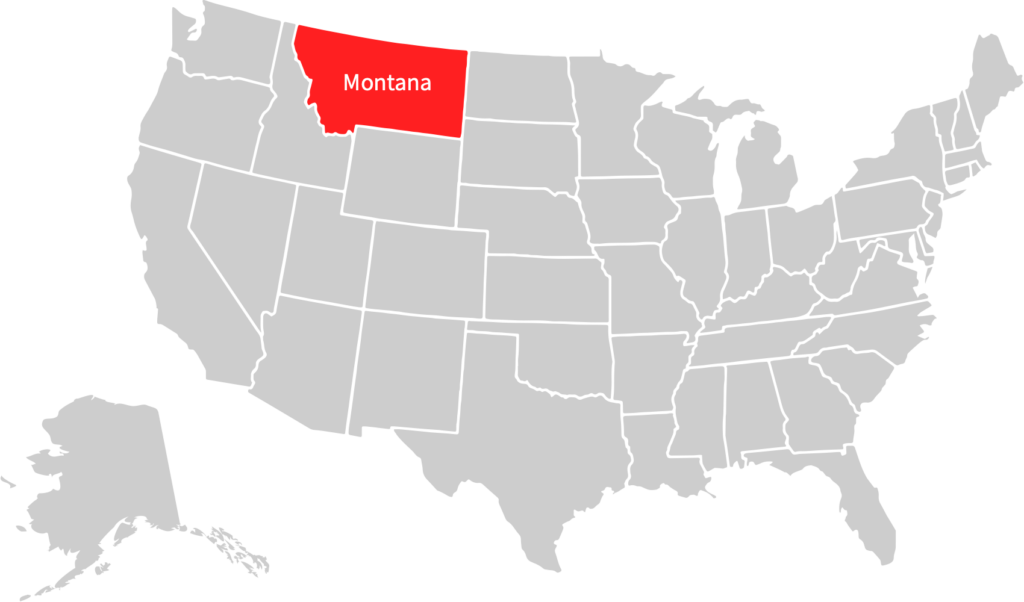
Montana gold exploration has a long record. Gold was first discovered in the Montana territory in 1852 at Gold Creek, near present-day Garrison, and silver, copper, nickel and platinum followed. The state is known as the Treasure State for its mineral wealth, and mining still plays an active role in its economy.
Basin Gulch adds a modern exploration story to that history, with year-round road access and a location about one hour from Butte.
Read the full guide to Montana gold explorationPhilipsburg mining district
The Philipsburg Mining District, also recorded as the Flint Creek Mining District in Granite County, is where Basin Gulch sits. Lannister Mining describes the district as the one that led the original US silver boom of the late 1800s.
According to the University of Montana, one Philipsburg-area mine, regarded as the greatest silver bonanza of its time, produced $20 million in silver between 1885 and 1893. Today the focus at Basin Gulch is gold with silver, in oxide-hosted rock close to surface.
Explore the history and minerals of the Philipsburg Mining District$20M
in silver from one Philipsburg-area mine between 1885 and 1893, per the University of Montana's This Is Montana column.
Common questions
Short answers here. The full mineral exploration FAQ has more.
Which mineral exploration companies operate in the USA?
Many mineral exploration companies work in the USA, from small private explorers to listed juniors with projects in Nevada, Alaska, Montana and other western states. Lannister Mining is one of them, focused on the Basin Gulch gold-silver property in Montana's Philipsburg Mining District. For broader lists, state geological surveys such as the Montana Bureau of Mines and Geology are useful starting points.
What do mineral exploration companies do?
Mineral exploration companies acquire mineral rights, collect geological data, drill targets and try to define a resource that could be developed into a mine. Most do not produce metal. Their value usually depends on drill results, land position, jurisdiction and team. Lannister Mining fits this description: it holds the Basin Gulch claims and plans further exploration and resource development.
Where is the Basin Gulch property?
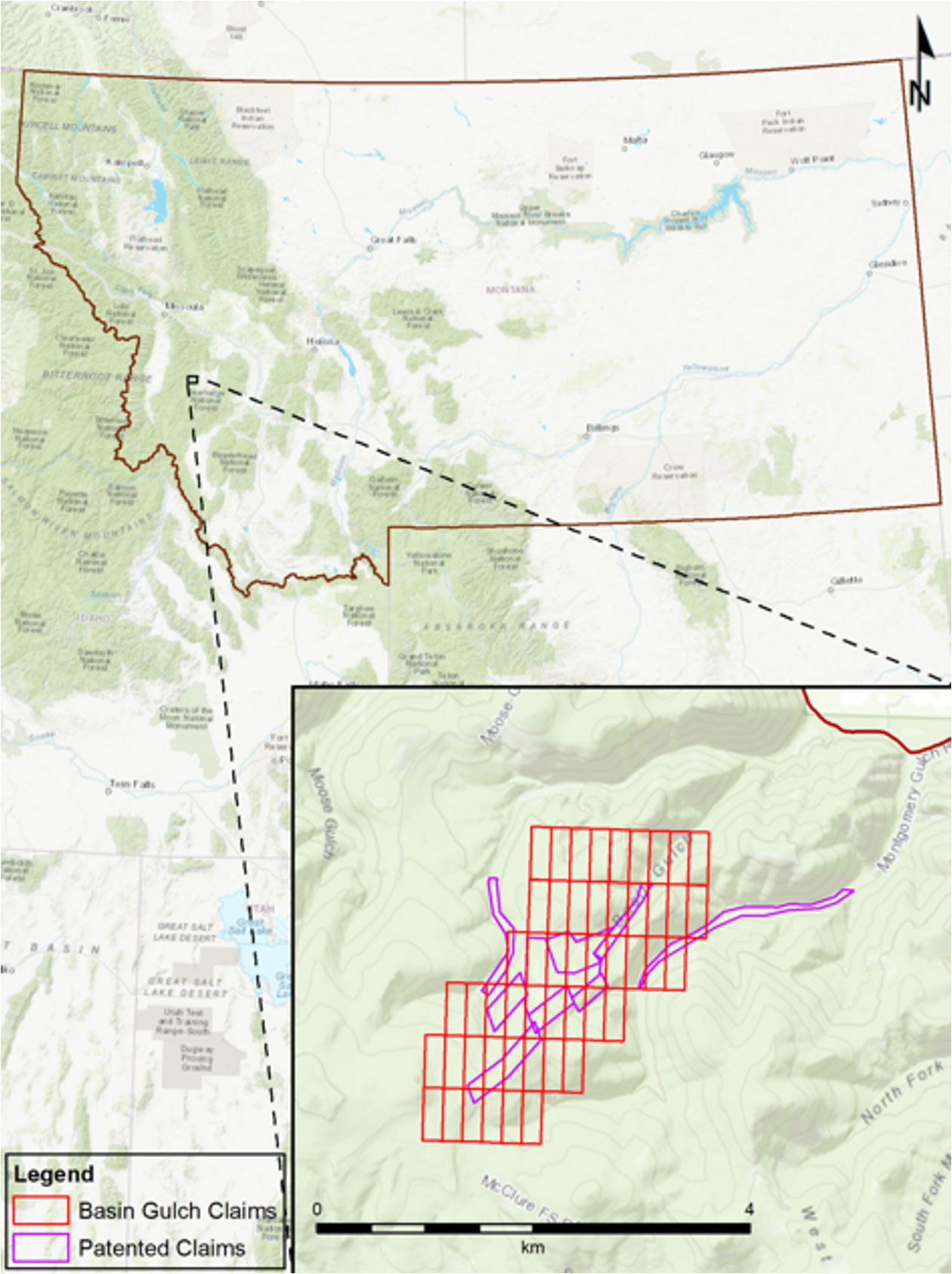
The Basin Gulch property is in west-central Montana, in the historic Philipsburg Mining District. Lannister Mining states it has year-round access from Philipsburg on paved and well-maintained gravel roads and sits about one hour from Butte. The location map on the company property page shows the claim block in the forested mountains of western Montana.
How many drill holes have been completed at Basin Gulch?
Lannister Mining cites more than 320 historical drill holes at Basin Gulch. The company property map labels historical holes from 1987, a 1989 Chevron program and annual programs from 1993 through 1997. These holes give the company a data foundation that it plans to confirm and expand with new drilling.
What are the stages of mineral exploration?
The usual stages are grassroots prospecting, target definition, drilling, resource estimation, economic studies, permitting and, if everything works, development. Each stage reduces uncertainty and usually costs more than the last. Basin Gulch already has historical drilling, and Lannister Mining's next stated goal is confirmation and expansion drilling toward a maiden mineral resource estimate.
Why explore for gold in Montana?
Montana is known as the Treasure State because of its mineral wealth and long mining history, and mining still plays an active role in its economy. Gold was first discovered in the Montana territory in 1852 at Gold Creek, near present-day Garrison. Lannister Mining chose Basin Gulch partly for this jurisdiction, which it describes as safe.
What is the Philipsburg Mining District?
The Philipsburg Mining District, also listed by Mindat as the Flint Creek Mining District in Granite County, is a historic mining area around Philipsburg, Montana. Lannister Mining describes it as the district that led the original US silver boom of the late 1800s. The Basin Gulch property sits in this district.
What are the risks of investing in mineral exploration companies?
Exploration is high risk: most prospects never become mines, historical results may not be confirmed, and companies often need to raise more money as they advance. Metal prices, permitting and markets also move values. Basin Gulch has a large historical dataset but no current resource estimate yet, so investors should weigh both facts.