
Montana
Montana gold exploration: history, output and Basin Gulch
Last updated:
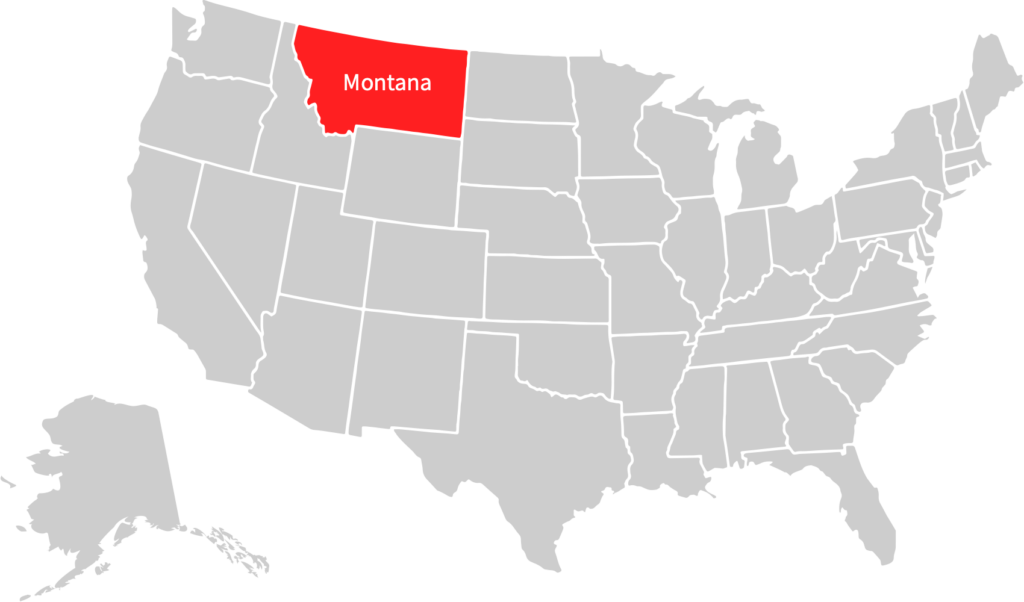
Montana gold exploration is active today, building on a mining history that began with the territory's first gold discovery at Gold Creek in 1852.
Montana is known as the Treasure State for its mineral wealth, and mining still plays an active role in its economy. Lannister Mining explores the Basin Gulch gold-silver property in the state's west-central Philipsburg Mining District, where more than 320 historical drill holes and year-round road access support continued Montana gold exploration.
Is Montana a good place for gold exploration?
For many explorers, yes. Montana combines a long mining history, existing roads and towns, and a record of gold, silver, copper, nickel and platinum discoveries. Lannister Mining describes its Basin Gulch location as a safe jurisdiction, and it reaches the property year-round from Philipsburg.
It is not the largest gold state. Nevada and Alaska produce most US gold, so explorers who want to be near the biggest operating mines often pick Nevada instead. Montana suits explorers drawn to its historic districts, such as the Philipsburg area around Basin Gulch.
Definition
Why is Montana called the Treasure State?
Montana is called the Treasure State because of its vast wealth of mineral reserves and a history built on mining. The first gold discovery in what was then the Montana territory came in 1852 at Gold Creek, near present-day Garrison. Silver, copper, nickel and platinum have since been discovered and mined, and the state hosts large-scale producers today.
For Lannister Mining, which explores Basin Gulch in west-central Montana, that history means established infrastructure and a long record of mineral discovery in the region. The Philipsburg Mining District, where the property sits, led the original US silver boom of the late 1800s.
By the numbers
US gold output in context
- estimated US gold output in 2025, worth about US$17 billion
- 160 t
- lode gold mines in 12 states in 2025
- 40+
- share of US gold made in Nevada in 2025
- About 64%
- share of US gold made in Alaska in 2025
- About 22%
Source: USGS Mineral Commodity Summaries 2026 figures as summarized by Farmonaut. These are industry figures, not Lannister Mining results.
How has US gold output changed since 2021?
US mine output fell while the gold price rose sharply. That gap is one reason explorers working on projects like Basin Gulch draw attention from investors and partners.
| Measure | 2021 | 2025 |
|---|---|---|
| US mine output | 187 t | 160 t |
| Average gold price | US$1,801 per oz | About US$3,300 per oz |
A home to world-class deposits
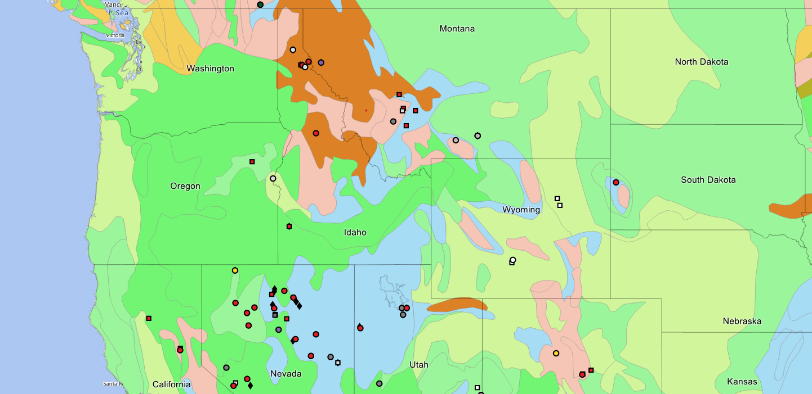
Lannister Mining describes Montana as home to world-class deposits, with large-scale producers in operation today. The map shown here, from Lannister Mining materials, marks deposit locations across Montana, Idaho, Nevada, Utah and neighboring states.
Basin Gulch lies in western Montana, in the Philipsburg Mining District, about one hour from Butte.
See the Philipsburg Mining District guideWhere in Montana is Basin Gulch?
Basin Gulch is in west-central Montana, reached year-round from the town of Philipsburg on paved and well-maintained gravel roads. Butte is about one hour away. The claim block covers 1,107 hectares across 11 patented and 53 unpatented claims, according to Lannister Mining.
Montana gold exploration questions
Short answers here. The full mineral exploration FAQ has more.
Why explore for gold in Montana?
Montana is known as the Treasure State because of its mineral wealth and long mining history, and mining still plays an active role in its economy. Gold was first discovered in the Montana territory in 1852 at Gold Creek, near present-day Garrison. Lannister Mining chose Basin Gulch partly for this jurisdiction, which it describes as safe.
Is there still gold exploration in Montana?
Yes. Montana has active exploration projects and operating mines, and explorers continue to work there because of the state's mining history and infrastructure. Lannister Mining's Basin Gulch property is one current Montana gold exploration project, with more than 320 historical drill holes and plans for confirmation and expansion drilling.
How much of US gold comes from Montana?
Montana is a smaller producer than Nevada or Alaska. According to USGS figures summarized by Farmonaut, Nevada made about 64% of US gold in 2025 and Alaska about 22%, leaving the remaining share to other states, Montana among them. More than 40 lode gold mines in 12 states produced an estimated 160 tonnes that year.
How far is Basin Gulch from Butte?
Lannister Mining states that the Basin Gulch property is only one hour from Butte, Montana, with year-round access from Philipsburg on paved and well-maintained gravel roads. Year-round access matters for exploration because drill programs, sampling and site visits do not have to stop for a winter season.
How does the gold price affect gold exploration?
Higher gold prices generally make more deposits potentially economic and make it easier for explorers to raise capital. According to USGS figures summarized by Farmonaut, the average gold price rose from US$1,801 per ounce in 2021 to about US$3,300 in 2025. Price alone does not make a project viable; grade, size and costs still decide.
Is Klondike Gold's Montana Creek in Montana?
No. Klondike Gold's Montana Creek placer property is in the Yukon, Canada, near its Klondike District Project in the Dawson Mining District, not in the US state of Montana. Klondike Gold reported 513.1 ounces of placer flake gold in 2026 royalty receipts through October 15, 2026. Basin Gulch is in Montana's Philipsburg Mining District.